
If you’re craving something cozy, indulgent, and incredibly satisfying, this Gluten-Free Mac and Cheese is exactly what you need. It’s luxuriously creamy, packed with cheesy flavor, and comes together quickly with simple ingredients. Whether you’re serving it as a comforting side dish or a main course, this recipe guarantees a perfect bowl every time—without any gluten.
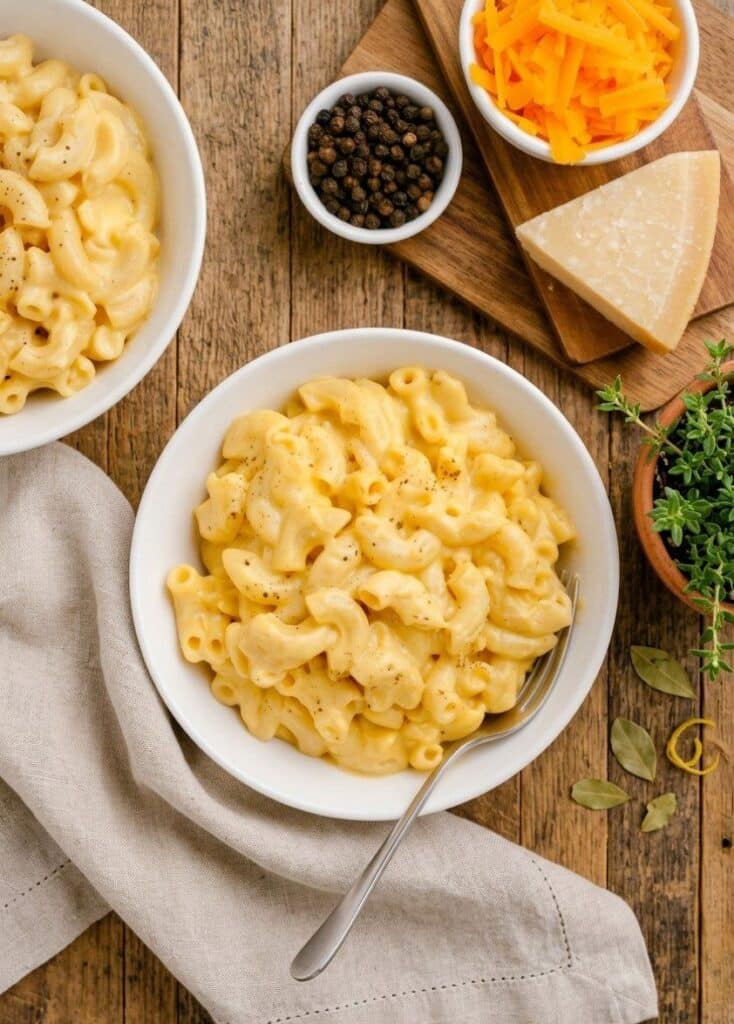
Unlike traditional versions, gluten-free pasta can be tricky to work with. But don’t worry—this recipe includes practical tips to help you avoid mushy noodles or clumpy sauce. With the right method, you’ll get a silky, smooth mac and cheese that rivals any classic version.
Why This Recipe Works
Creating the perfect gluten-free mac and cheese isn’t just about swapping regular pasta for gluten-free. Different gluten-free pastas behave differently depending on their base (rice, corn, chickpea, etc.), and they tend to release more starch during cooking.
That’s why this recipe skips the unreliable one-pot method and instead focuses on building a rich, creamy cheese sauce separately. The result? Better texture, better flavor, and complete control over your final dish.
If you’ve struggled with gummy gluten-free pasta in the past, this method will completely change your experience.
Ingredients You’ll Need
Here’s what goes into this ultra creamy gluten-free mac and cheese:
- Gluten-free elbow macaroni
- Butter
- Gluten-free all-purpose flour blend
- Salt
- Black pepper
- Garlic powder
- Milk (dairy or non-dairy alternative)
- Cheddar cheese (freshly grated)
- Parmesan or Pecorino Romano
These simple ingredients come together to create a rich, velvety cheese sauce that clings perfectly to every bite of pasta.
How to Make Gluten-Free Mac and Cheese
Making this dish is straightforward and beginner-friendly:
- Cook the pasta
Boil your gluten-free macaroni according to package instructions—but reduce the cooking time slightly to avoid overcooking. - Prepare the roux
In a saucepan, melt the butter over medium heat. Stir in the gluten-free flour, salt, pepper, and garlic powder until smooth. - Add the milk
Slowly pour in the milk while whisking constantly to prevent lumps. - Simmer the sauce
Once the mixture begins to bubble, reduce the heat and let it gently simmer until slightly thickened. - Melt the cheese
Gradually stir in the shredded cheese until fully melted and smooth. - Combine
Add the cooked pasta to the cheese sauce and stir until evenly coated. - Serve immediately
Enjoy while hot and creamy!
What Pasta Works Best?
You can use any gluten-free pasta you prefer, but results may vary depending on the brand and ingredients. Rice-based and corn-based pastas tend to work well, while legume-based options (like chickpea pasta) may have a stronger flavor.
The key is to cook the pasta carefully and avoid overcooking—it makes all the difference.
Tips for Cooking Gluten-Free Pasta Perfectly
Gluten-free pasta requires a little extra attention, but these tips will help you get it just right:
- Don’t overcook
Always cook for slightly less time than the package suggests. Start checking early. - Use plenty of water
Fill your pot generously to prevent sticking and excess starch buildup. - Salt the water well
Properly salted water enhances flavor from the inside out. - Stir frequently
Gluten-free pasta tends to stick, so stir every 20–30 seconds during cooking. - Save pasta water
Reserve about a cup before draining—it can help loosen the sauce later if needed. - Quick rinse (optional)
A very brief rinse (just a few seconds) can remove excess starch without cooling the pasta too much.
Topping Ideas for Extra Texture
Want to add a crunchy finish? Try these gluten-free topping ideas:
- Crushed gluten-free crackers
- Gluten-free breadcrumbs
- Crispy onions
- Crushed potato chips
Simply sprinkle on top and bake until golden for a delicious contrast in texture.
Can You Bake or Smoke It?
Yes! This recipe can easily be transformed into a baked version:
- Use slightly less pasta to prevent dryness
- Undercook the pasta by a few minutes
- Transfer to a baking dish, add toppings, and bake until bubbly
You can also experiment with smoking it for a deeper, more complex flavor if you enjoy that extra touch.
Best Cheeses for Mac and Cheese
Cheddar and Parmesan are classic choices, but you can customize the flavor with other cheeses:
- Gruyère
- Fontina
- Gouda (especially smoked)
- Brie
- Cream cheese
Pro tip: Always grate your cheese fresh. Pre-shredded cheese contains additives that prevent smooth melting and can result in a grainy sauce.
Freshly Grated vs. Pre-Shredded Cheese
While pre-shredded cheese is convenient, it often contains anti-caking agents that affect how it melts. For the creamiest sauce, freshly grated cheese is the way to go.
It melts more smoothly, tastes better, and gives your mac and cheese that rich, restaurant-quality texture.
To Rinse or Not to Rinse?
Normally, rinsing pasta isn’t recommended—but gluten-free pasta is different.
Because it releases more starch, a very quick rinse (under 5 seconds) can help improve texture. Just make sure to transfer it immediately into the sauce so it doesn’t cool down.
Ways to Add Protein or Make It Healthier
One of the best things about this Gluten-Free Mac and Cheese is how versatile it is. You can easily customize it to suit your dietary needs or boost its nutritional value.
Protein Add-Ins
If you want to turn this into a more filling main dish, try adding:
- Grilled or shredded chicken
- Crispy bacon bits
- Ground beef or turkey
- Sausage slices
- Tuna or salmon
- Shrimp, crab, or lobster for a seafood twist
These additions blend beautifully with the creamy cheese sauce and make the dish more satisfying.
Veggie Boost Options
For extra fiber and nutrients, mix in vegetables like:
- Broccoli or cauliflower
- Spinach or kale
- Mushrooms
- Bell peppers
- Peas or corn
- Zucchini or carrots
A great trick is to finely chop or sauté vegetables before adding them—this helps them blend seamlessly into the dish.
Can You Make It Paleo or Primal?
A traditional mac and cheese isn’t suitable for a paleo diet due to the cheese and pasta. However, you can adapt it slightly:
- Primal version: Use grain-free pasta (like cassava or almond flour-based) and keep the cheese
- Paleo alternative: Replace the cheese sauce with a dairy-free option like cashew cream
While it won’t taste exactly the same, it can still be creamy and delicious with the right ingredients.
Does It Freeze Well?
Freezing mac and cheese—especially gluten-free—can be tricky.
Gluten-free pasta tends to lose its texture after freezing and reheating, often becoming soft or grainy. Dairy-based sauces can also separate.
Best recommendation:
Enjoy it fresh whenever possible.
If you must freeze it:
- Store in an airtight container
- Freeze for up to 2–3 months
- Reheat gently with added milk to restore creaminess
How to Reheat and Make Ahead
If you’re planning ahead, it’s best to store the components separately:
- Keep the pasta and sauce in different containers
- Combine just before serving for the best texture
Reheating Tips:
- Add a splash of milk before reheating
- Warm slowly over low heat or in short microwave intervals
- Stir frequently to keep the sauce smooth
Keep in mind that gluten-free pasta can become soft when reheated, so it’s always best fresh.
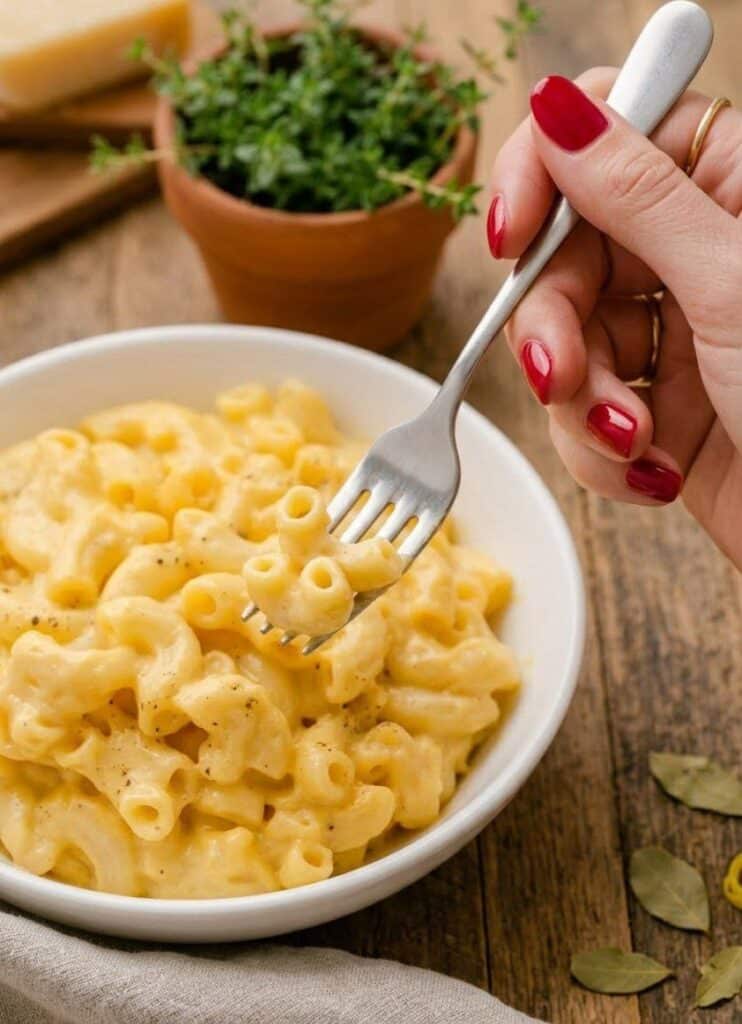
Frequently Asked Questions
Can I Use Non-Dairy Milk?
Yes! You can substitute dairy milk with alternatives like:
- Cashew milk (best neutral flavor)
- Almond milk
- Oat milk
Avoid coconut milk unless you don’t mind a slight coconut flavor.
Can I Use Dairy-Free Cheese?
You can, but results vary widely depending on the brand. Some melt well, while others may not give you that creamy texture.
If you already have a dairy-free cheese you love, feel free to use it.
Do I Have to Use Cheddar and Parmesan?
Not at all! While this combo gives a classic flavor, you can mix and match cheeses based on your preference.
Just be sure to use cheeses that melt well for the best texture.
Can I Use a Different Gluten-Free Flour?
Yes, but it must be a 1:1 gluten-free flour blend designed to replace all-purpose flour.
Avoid:
- Almond flour
- Coconut flour
These won’t create the proper roux needed for a smooth cheese sauce.
Final Thoughts
This Gluten-Free Mac and Cheese proves that you don’t have to sacrifice flavor or texture when cooking gluten-free. With a rich, creamy sauce and perfectly cooked pasta, it’s a comforting dish that everyone will love—whether they eat gluten or not.
Once you master the technique, you can easily customize it with your favorite add-ins and flavors.
Print
Gluten-Free Mac and Cheese (Ultra Rich & Creamy!)
- Total Time: 30 min
Ingredients
12 oz (340 g) gluten-free elbow macaroni
1/4 cup (56 g) butter
3 tablespoons gluten-free all-purpose flour
1/4 teaspoon salt
1/4 teaspoon garlic powder
1/8 teaspoon black pepper
2 cups (473 ml) milk (or dairy-free alternative)
1 2/3 cups (about 188 g) cheddar cheese, freshly grated
1/3 cup (33 g) Parmesan or Pecorino Romano, grated
Instructions
- Cook the gluten-free pasta according to package instructions, reducing cook time slightly to avoid overcooking. Rinse briefly (under 5 seconds) and set aside.
- In a medium saucepan over medium heat, melt the butter.
- Stir in the flour, salt, garlic powder, and black pepper until smooth.
- Gradually whisk in the milk, stirring constantly to prevent lumps.
- Bring to a gentle simmer and cook for about 1 minute, until slightly thickened.
- Slowly add the grated cheese, stirring until fully melted and smooth.
- Add the cooked pasta and mix until evenly coated.
- Serve immediately while hot and creamy.
Notes
- Do not overcook gluten-free pasta—it becomes mushy quickly
- Always use freshly grated cheese for the best texture
- Reserve some pasta water to adjust sauce consistency if needed
- For make-ahead, store pasta and sauce separately
- Prep Time: 15 min
- Cook Time: 15 min